
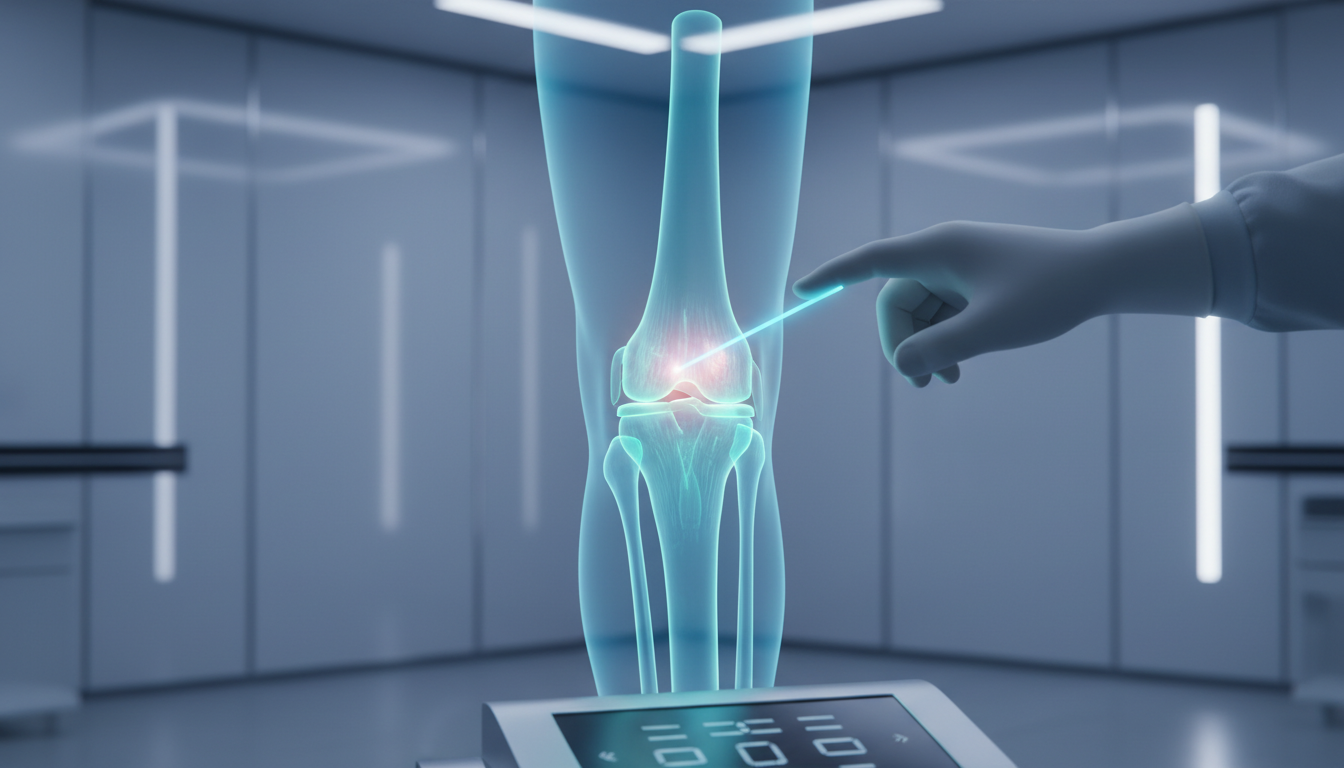
Advanced Pain Solutions
Targeted Interventions for Lasting Relief.
Explore Treatments by Category
Spinal Injection Therapies
Epidural Steroid Injections
A common procedure to deliver anti-inflammatory medication directly to the source of spinal nerve pain, providing significant relief for conditions like sciatica and herniated discs.
Learn MoreFacet Joint Injections
Injection of anesthetic and anti-inflammatory medication into the facet joints of the spine to diagnose and treat pain originating from these joints.
Learn MoreSacroiliac Joint Injections
Targeted injections to diagnose and treat pain originating from the sacroiliac joint, which connects the spine to the pelvis.
Learn MoreTransforaminal Epidural Injections
A precise injection technique that delivers medication directly to the nerve root as it exits the spine, providing targeted relief.
Learn MoreNerve Blocks & Ablation
Radiofrequency Ablation (RFA)
Uses heat generated by radio waves to target and disable specific nerves that are transmitting pain signals, offering long-lasting relief, particularly for chronic back and neck pain.
Learn MoreNerve Blocks
Injection of anesthetic near specific nerves to provide diagnostic information and therapeutic pain relief for various conditions.
Learn MoreCeliac Plexus Block
A specialized nerve block to treat chronic abdominal pain, often associated with pancreatic cancer or other abdominal conditions.
Learn MoreRegenerative Therapies
Platelet-Rich Plasma (PRP) Therapy
A regenerative medicine treatment that uses a concentration of your own platelets to accelerate healing and reduce pain in injured joints, tendons, and ligaments.
Learn MoreStem Cell Therapy
Utilizes stem cells to promote healing and regeneration in damaged tissues, offering potential long-term relief for degenerative conditions.
Learn MoreProlotherapy
An injection-based treatment that stimulates the body's natural healing processes to strengthen and repair damaged ligaments and tendons.
Learn MoreAdvanced Neuromodulation
Spinal Cord Stimulation (SCS)
An advanced neuromodulation therapy involving a small device implanted under the skin to deliver mild electrical pulses to the spinal cord, effectively masking chronic pain signals before they reach the brain.
Learn MorePeripheral Nerve Stimulation
A minimally invasive treatment that uses electrical impulses to interrupt pain signals from specific peripheral nerves.
Learn MoreDorsal Root Ganglion (DRG) Stimulation
An advanced stimulation therapy that targets the dorsal root ganglion, offering precise pain relief for complex regional pain syndrome and other conditions.
Learn MoreYour Treatment Journey: What to Expect
Comprehensive Consultation
We'll thoroughly review your medical history, perform a physical exam, and discuss your pain goals to determine the best course of action.
Precision Procedure
Your interventional treatment will be performed by our expert specialists using advanced imaging guidance for accuracy and safety, often on an outpatient basis.
Recovery & Follow-Up
Most procedures have minimal downtime. We'll provide clear post-procedure instructions and schedule follow-up appointments to monitor your progress.
Long-Term Pain Management
Our goal is lasting relief. We'll partner with you on a long-term plan, including lifestyle recommendations and potential adjunctive therapies.
Frequently Asked Questions About Treatments
The duration of relief varies by treatment and individual. Some treatments provide temporary relief for diagnostic purposes, while others, like radiofrequency ablation or spinal cord stimulation, can offer long-lasting pain reduction for months to years.
Many interventional pain treatments are covered by insurance. Our team will work with you to verify your benefits and explain any potential out-of-pocket costs before your procedure.
Most patients experience minimal discomfort during procedures. Local anesthesia is used to numb the treatment area, and we offer various sedation options for more invasive treatments to ensure your comfort.
Recovery times vary depending on the procedure. Most minimally invasive treatments allow patients to return to normal activities within 1-3 days. We'll provide specific post-procedure instructions tailored to your treatment.
Yes, many patients benefit from a combination of treatments. Our specialists will develop a comprehensive, personalized treatment plan that may include multiple modalities to achieve the best possible outcomes.